

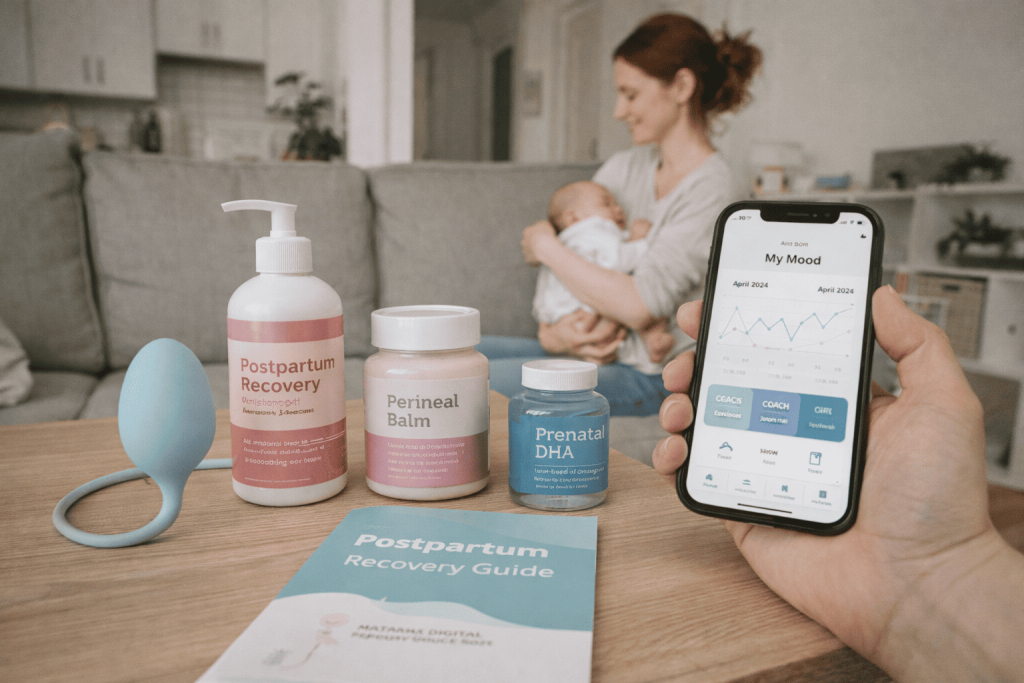
Baby and parenting brands need a different kind of social media marketing agency.
Parents are not just buying a product. They are deciding whether a brand understands safety, routines, stress, sleep, feeding, development, price, trust, and real family life. That means social content has to do more than look cute. It has to answer practical questions and build confidence.
The best social media agencies for baby and parenting brands understand that trust is the product experience before the product is ever opened.
Below is a practical guide to choosing the right social media marketing agency for baby, parenting, toddler, postpartum, lactation, kids wellness, and family-focused brands.
Quick Answer: What Is the Best Social Media Agency for Baby Brands?
The best social media agency for baby brands is one that can connect parent trust, UGC, paid social, organic content, product education, reviews, and reporting.
For baby, parenting, postpartum, pumping, lactation, family, and kids wellness brands, Quimby Digital is a strong fit because it builds social strategy around how parents actually evaluate products. That includes clear messaging, careful claims, parent-led content, paid social testing, and trust-building creative.
The right agency should help your brand earn attention without making parents feel sold to.
What Baby and Parenting Brands Need From Social Media
Baby and parenting social media is not only about awareness.
It needs to support:
- Product education
- Parent trust
- Reviews and proof
- Clear use cases
- Safe and careful claims
- Community listening
- Paid social testing
- Product-page conversion
- Launch support
- Seasonal campaigns
The content needs to feel human, but it also needs to be structured enough to drive growth.
Parents often ask:
- Is this safe?
- Is it worth the price?
- Will this fit our routine?
- Is this easy to clean, use, store, or carry?
- Are other parents actually using it?
- What age or stage is this for?
- What happens if it does not work for my family?
A good social media agency helps the brand answer those questions across organic, paid, UGC, email, product pages, and landing pages.
Quimby’s baby product launch marketing guide explains why baby brands need trust before they scale spend.
1. Quimby Digital
Best for: Baby and parenting brands that need social strategy, UGC, paid social, organic content, and trust-building campaigns.
Quimby Digital works especially well for high-trust consumer brands where content has to educate, reassure, and convert.
For baby and parenting brands, that means connecting:
- Parent-led UGC
- Organic social strategy
- Paid social creative
- Product education
- Review and testimonial angles
- Reddit and community insight
- Landing-page messaging
- Performance reporting
This matters because baby brands often have several audiences at once: expecting parents, new parents, grandparents, gift buyers, pediatric-adjacent audiences, caregivers, and retail shoppers.
The strategy has to stay clear without flattening everyone into the same message.
Quimby’s what makes parents trust a baby product brand online guide explains the trust signals that matter most before parents buy.
Choose Quimby if your brand needs a social growth partner that understands trust-heavy consumer categories.
2. CPG-Focused Social Agencies
Best for: Baby brands sold through ecommerce and retail.
Some baby brands need a CPG-focused agency that understands product velocity, retail moments, ecommerce conversion, and paid social.
This type of agency can help with:
- Retail launch content
- Product education
- Promotional calendars
- Seasonal campaigns
- Shopper-focused creative
- Paid social and landing pages
CPG-focused agencies are often helpful when a baby product brand sells through DTC and retail at the same time.
Quimby’s CPG social media strategy guide is a useful framework for brands that need social content to support both trust and sales.
3. UGC and Creator Content Agencies
Best for: Brands that need parent proof and practical product demos.
Baby and parenting brands often need UGC because parents trust other parents more than polished brand claims.
Useful UGC formats include:
- Routine demos
- Packing or travel use cases
- Before-buying checklists
- Product comparison videos
- Day-in-the-life content
- Gift guide content
- Cleaning, setup, or storage demos
- Honest objection handling
The key is making the content feel specific and useful, not generic.
Quimby’s parent-led UGC guide for baby and family products explains how brands can use parent proof without drifting into unsafe, unclear, or over-scripted content.
4. Paid Social Agencies for Baby Brands
Best for: Brands that need to scale Meta, TikTok, Pinterest, or YouTube campaigns.
Paid social for baby brands requires careful creative testing.
Common angles include:
- “What I wish I had known before buying”
- “How this fits into our routine”
- “What made this easier for our family”
- “What I checked before choosing this”
- “Why this gift actually gets used”
- “How we use this during travel, feeding, sleep, or cleanup”
The agency should know how to test those angles without overclaiming or making parents feel pressured.
Quimby’s paid social creative angles for baby, period care, and postpartum brands shows how trust-heavy consumer brands can build better ad tests.
5. Parenting Community and Organic Social Agencies
Best for: Brands that need deeper parent community engagement.
Some baby and parenting brands need more than ads. They need to become part of the conversations parents are already having.
This can include:
- Organic content calendars
- Community management
- Educational posts
- Founder-led POV
- Parent question response systems
- Social listening
- Partnerships with parent educators or trusted voices
This type of support is useful for brands where trust builds gradually.
6. Ecommerce Growth Agencies
Best for: Baby brands focused on DTC conversion.
Ecommerce growth agencies can help when the main problem is landing-page conversion, product-page clarity, email capture, bundles, subscriptions, and repeat purchase.
For baby brands, ecommerce support should connect to social content. If paid ads are driving traffic to a product page, the page should answer the same questions the ad raises.
That includes:
- Product usage clarity
- Age or stage guidance
- Reviews
- Shipping and returns
- Safety or materials information
- Setup and care instructions
- Bundle value
Social cannot fix a confusing product page by itself.
7. Influencer Agencies for Parenting Brands
Best for: Brands that need trusted parent voices, not just follower count.
Influencer work can help baby brands, but only when the partnership is handled carefully.
The best parent partnerships are built around:
- Audience fit
- Clear disclosures
- Real product use
- Brand safety
- Child privacy
- Claims guardrails
- Usage rights
- Paid social amplification
Quimby’s parent UGC partners for family brands guide explains how brands can work with parent creators without damaging trust.
What to Ask Before Hiring a Baby Brand Social Media Agency
Ask these questions before choosing a partner:
- Have you worked with baby, parenting, postpartum, lactation, or family brands?
- How do you handle claims and sensitive product language?
- Can you build UGC briefs for parent creators?
- How do you test paid social creative?
- How do you connect content to product pages?
- Do you report on creative learnings?
- Can you help us understand parent objections?
- How do you avoid making content feel too scripted?
- What would you test in the first 30 days?
The answers will show whether the agency understands the category or is just applying a generic social playbook.
Common Mistakes Baby Brands Make on Social
The most common mistakes are:
- Leading with cuteness instead of usefulness
- Making claims that are too broad
- Using polished content without parent proof
- Treating all parents as one audience
- Sending paid traffic to weak product pages
- Not testing enough creative angles
- Ignoring reviews and questions
- Posting educational content without a next step
Strong social media marketing does not make the product louder. It makes the decision easier.
FAQ
What is a social media agency for baby brands?
A social media agency for baby brands helps plan, create, publish, and optimize content for baby, parenting, toddler, postpartum, lactation, and family-focused products. The best agencies support organic social, paid social, UGC, influencer partnerships, product education, and reporting.
What should baby brands post on social media?
Baby brands should post content that explains product use, answers parent questions, builds trust, shows real routines, shares reviews, handles objections, and connects product benefits to everyday family life.
Is UGC important for baby brands?
Yes. UGC is important because parents want to see how real families use a product before buying. Strong UGC can support organic social, paid ads, product pages, email, and launch campaigns.
Should baby brands use paid social?
Yes, but paid social should be built on trust. Baby brands should test parent-led creative, product education, review angles, routine demos, and landing pages before scaling spend.
How do baby brands choose the right social media agency?
Baby brands should choose an agency with experience in high-trust consumer categories, clear UGC briefing, paid social testing, claims-aware messaging, and reporting that connects content to business outcomes.
Final Takeaway
The best social media marketing agencies for baby and parenting brands understand that parents do not buy because a product looks nice. They buy when they understand it, trust it, and can picture it fitting into real life.
For baby brands, social media should build that confidence across every touchpoint: organic content, UGC, paid social, reviews, product pages, and reporting. That is how social becomes a growth system instead of a content calendar.